The Revolutionary Hybrids
For years, traditional petrol vehicles were the only ones available. Although efficient, they became apparent to be causing tremendous damage to the environment. As consumers grew more conscious of the environmental consequences of their purchases, the need for alternatives rose. Hence, the hybrid vehicles were introduced. Initially limited to a niche market segment, they have undoubtedly come into the mainstream. Today, they are staples on roads around the world. Moreover, it has become apparent that they are a feasible option for many people. However, many people still wonder about the pros and cons of hybrid cars and whether it is worth it.
Though it may seem straightforward, the reality is quite different. Hybrids offer undeniable efficiency and environmental benefits. However, they also come with unique considerations. These include cost, maintenance, and driving experience. Moreover, understanding hybrids in practical, everyday terms helps customers make informed decisions. That’s why they need to learn the pros and cons of hybrid cars.
What Are Hybrids?
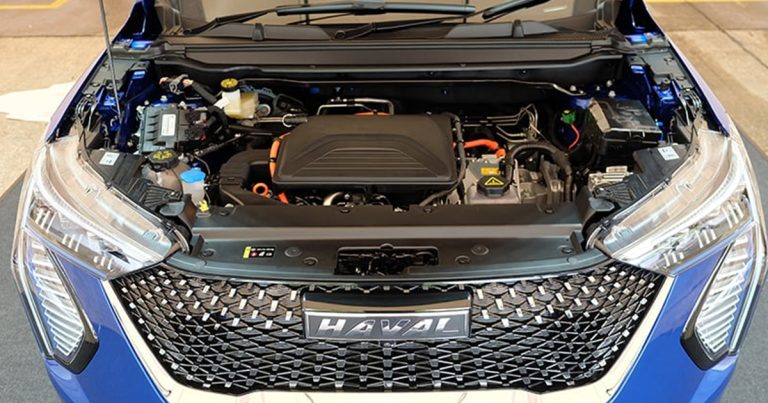
Before we examine the pros and cons of hybrid cars, let’s first define what they are. In terms of modern automotive technology, they are vehicles that use two or more distinct power sources to move. In practice, this almost always means combining a traditional gasoline internal combustion engine with one or more electric motors. Moreover, the originality of these vehicles lies in how they use these systems together on the road. The electric motor can handle low-speed, stop-and-go driving where gasoline engines are least efficient. Meanwhile, the gasoline engine takes over at higher speeds or when more power is needed. The two can also work together for maximum acceleration.
Furthermore, one of the most useful features of standard hybrids is their self-charging capability. In other words, they never need to be plugged in. Instead, the battery replenishes itself through regenerative braking. Whereby, it captures energy normally lost when slowing down. Moreover, this seamless integration helps people drive hybrids like they would a traditional car. Just fill it with gas and drive while enjoying significantly improved fuel economy.
Pros and Cons of Hybrid Cars
Now that we know what they are, let’s move forward examining the pros and cons of hybrid cars.
Pros
- Exceptional Fuel Efficiency: The most significant and well-known benefit of these vehicles remains their enhanced fuel economy. Hybrids excel in intracity driving where the electric motor handles much of the work. Additionally, regenerative braking constantly recaptures energy used in transit. For example, a Toyota Corolla hybrid achieves an impressive 50 miles per gallon in combined driving. Thereby, far surpasses its conventional counterpart.
- Lower Emissions and Environmental Impact: As mentioned earlier, consumers today are wary of their purchases. They are more willing to forego a purchase if its environmental consequences are significant. Since hybrids burn less gasoline, they produce fewer tailpipe emissions. Hence, it produces a significantly smaller carbon footprint. This feature alone makes them an appealing prospect for many people. Couple that with their enhanced performance, and it becomes a no-brainer. Hybrids represent a meaningful step toward reducing their personal impact without the range anxiety associated with pure electric vehicles.
- Reduced Refuelling Stops: In major urban cities, the queue for fueling has grown exponentially over the years. With more vehicles on the road, wait times will increase proportionally. However, hybrids save drivers from this hassle by offering excellent fuel economy. Additionally, they come with a standard-size gas tank. Thus, offering remarkable total driving ranges of 500 to 600 miles on a single tank of gas.
- Regenerative Braking Extends Brake Life: This is an often-overlooked, but valuable maintenance benefit. Conventional cars rely on friction between the brake pads and rotors to stop. Consequently, the vehicle undergoes significant wear and tear. On the other hand, hybrid regenerative braking handles much of the deceleration. Here, the electric motor reverses direction to slow the car while generating electricity. ThisThereby, considerably reduceslessening wear on the physical braking components. Many hybrid owners report going 100,000 miles or more before needing brake pad replacements.
- Quieter and Smoother Driving Experience: At lower speeds, hybrids often run on electric power alone. Hence, it offers a remarkably quiet and serene driving experience. Furthermore, the absence of noise and vibration makes intracity driving less fatiguing. Moreover, even when the gasoline engine engages, the transitions are typically smooth and unobtrusive in modern hybrids.
Cons
- Higher Upfront Purchase Price: Hybrids typically cost more than their traditional counterpart. The additional cost of the electric motor, battery pack, and associated electronics adds several thousand dollars to the price tag. Though fuel saving can offset this in the long run, the higher initial investment may be too much for many consumers. That’s why it is important to calculate your break-even points based on driving habits.
- Higher Repair and Maintenance Costs: While hybrids have lower maintenance needs in some areas, such as brakes, repairs can still be costly. Moreover, the complex system it boasts requires specialised knowledge that many traditional mechanics lack. Additionally, if a hybrid battery pack fails outside of the warranty period, replacement can cost several thousand dollars. Although aftermarket and refurbished options are viable, they still come with their own considerations.
- Reduced Highway Fuel-Economy Advantage: Hybrids perform best in urban driving. That is due to their regenerative braking and electric-only operation features. However, the story changes during intercity travel. There, a conventional car’s engine operates optimally. Hence, it reduces the advantage offered by its modern counterpart. Though hybrids will still typically outperform their gas-only sibling on the highway, the difference is less dramatic than in stop-and-go traffic.
- Battery Replacement Concerns: Arguably, the most concerning aspect of owning these vehicles is changing the battery. While its high-voltage batteries are designed to last the lifetime of the vehicle, they do degrade over time. Hence, they will eventually need replacement. Furthermore, the cost and timing of the potential expense pose headaches for people planning to own it for a long time. Additionally, people purchasing a used vehicle with high mileage may face the same issues.
Conclusion
At the end of the day, there is no denying that both pros and cons of hybrid cars exist. However, what is important is that peoplefamiliarisee themselves with this information. It will help them make informed decisions when purchasing the most suitable vehicle.
Frequently Asked Questions
They include exceptional fuel economy (especially in city driving), lower emissions, and reduced refuelling stops. Additionally, longer brake life due to regenerative braking, a quieter driving experience, proven reliability, and potential tax incentives.
It means a vehicle that combines a gasoline engine with an electric motor to propel itself. The two power sources work together to maximize efficiency. Moreover, with the battery recharging automatically through regenerative braking and the engine itself, no plug-in is required.
Yes, hybrid cars are excellent for daily use. They are particularly well-suited to commuting and city driving. Here, their efficiency gains are highest. Additionally, they require no changes to your driving routine and offer the same comfort and features as conventional cars.
Hybrids save fuel through four key methods. Firstly, regenerative braking (capturing energy that would otherwise be lost when stopping). Secondly, electric-only driving at low speeds. Thirdly, engine assist during acceleration (allowing for a smaller, more efficient engine)—lastly, the automatic engine shut-off when idling.