The entire world has transformed drastically since the beginning of the 21st century. The automotive industry did not escape this phenomenon. With a growing realization amongst people of the environmental impact of their consumption, the ground was ripe for more eco-friendly vehicles. Hence, the arrival of hybrids was met with considerable excitement.
Moreover, its technological features have rendered it one of the most significant innovations since the internal combustion engine. Initially viewed as only a niche curiosity, it has gradually garnered attention worldwide. Today, the advantages of hybrid technology make it the go-to option for many drivers around the world.
Whether it is simple fuel savings, environmental benefits, enhanced driving experiences, or long-term cost efficiencies, hybrids have it all. Furthermore, their design and interior comfort have boosted their aesthetic profile as well. Thereby, making it an increasingly attractive option to a broad spectrum of consumers. Let’s look at some of the main advantages of hybrid technology today.
What Are Hybrids
Before we explore the advantages of hybrid technology, it is important to first define it. To put it simply, these automobiles combine two distinct power sources into a single vehicle. These are the conventional internal combustion engine (typically gasoline-powered) and one or more electric motors powered by a battery pack. Furthermore, the system intelligently switches between them or combines these power sources to optimize efficiency, performance, and emissions.
Unlike pure Electric Vehicles (EVs), hybrids do not require external charging for the standard variants. Instead, they capture energy through regenerative braking and from the gasoline engine itself. Hence, storing that energy in the battery for later use. Thereby, creating a self-sufficient model that eliminates range anxiety while delivering substantial fuel economy improvements.
Broadly speaking, modern hybrid systems can be categorized into three main types:
- Mild Hybrids (MHEV): Use a small electric motor to assist the engine. However, it can not power the vehicle independently.
- Full Hybrids (HEV): Can operate on electric power alone at low speeds and recharge automatically.
- Plug-in Hybrids (PHEV): Feature larger batteries that can be externally charged for extended electric-only driving.
Advantages of Hybrid Technology
Now that we understand the basics, let’s look at the advantages of hybrid technology in detail.
1. Exceptional Fuel Economy and Cost Savings: Inarguably, the most appealing benefit of these vehicles remains their remarkable fuel efficiency. Where traditional gasoline vehicles waste substantial energy during braking, idling, and low-speed operations, hybrids systematically eliminate these inefficiencies.
Moreover, it thrives in stop-and-go city traffic where conventional vehicles perform their worst. Here, hybrids excel by letting the electric motor handle low-speed acceleration while the gasoline engine remains off during idling. Hence, translating to fuel saving of 30% to 50% compared to its conventional counterpart.
For example, the Toyota Camry Hybrid achieves 51 miles per gallon (MPG) combined, while its conventional counterpart delivers approximately 32 MPG. Over 20,000 kilometers of annual driving, this difference represents annual fuel savings of approximately PKR 150,000 to PKR 200,000, depending on fuel prices. Over a five-year ownership period, these savings can exceed PKR 1,000,000. Hence, offsetting the initial price premium of the hybrid variant.
2. Reduced Environmental Impact: The advantages of hybrid technology are not limited to performance. Rather, its design took into consideration its environmental impacts as well. To put it more specifically, hybrids produce significantly lower carbon emissions than their conventional counterparts. Moreover, this combination of reduced fuel consumption and electric power means hybrids generate 30% to 50% less CO2 per kilometer driven.
Meanwhile, for plug-in hybrids that require regular charging, the emission reduction works even more dramatically. A PHEV using electric power achieves CO2 emissions below 30 grams per kilometer. This value remains significantly lower compared to 150 grams per kilometer for conventional vehicles of similar size.
Apart from carbon dioxide, hybrids also reduce emissions of nitrogen oxides (NOx), particulate matter, and other pollutants affecting air quality. Furthermore, in cities like Karachi, Lahore, and Faisalabad, where air pollution remains a major concern, these vehicles work wonders. Their widespread adoption will likely lead to a meaningful improvement in air quality over time.
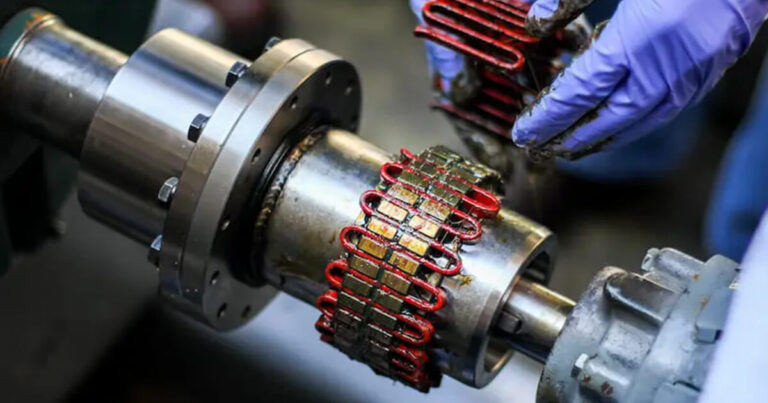
3. Regenerative Braking and Energy Recovery: Inarguably, the most ingenious of all advantages of hybrid technology is the regenerative braking. Whereby, a system transforms a vehicle’s kinetic energy into electrical energy rather than wasting it as heat.
When a conventional vehicle brakes, the kinetic energy generated by this motion is dissipated as heat through the brake discs. On the contrary, hybrids capture this energy, converting it to electricity that charges the battery. Hence, using the recovered energy to later power the electric motor. Thereby, reducing the load on the gasoline engine.
The main benefits of this feature are twofold: improved fuel economy and reduced brake wear. Since the regenerative system handles much of the braking force, conventional brake components last substantially longer. That’s why many owners of hybrids report brake pad life exceeding 100,000 kilometers. Furthermore, these figures are double or triple the lifespan of conventional vehicle brakes.
4. Superior Performance and Instant Torque: When these vehicles were introduced, their critics argued that they were underpowered and uninspiring to drive. However, their modern iterations have certainly dispelled these points completely. The combination of a gasoline engine and an electric motor produced power outputs exceeding what either system alone could offer.
Electric motors deliver maximum torque instantly from zero revolutions per minute (RPM). This characteristic provides an immediate acceleration response that no conventional internal combustion engine can rival. Moreover, when the driver presses the accelerator, the system responds instantaneously. The gasoline engine seamlessly joins when additional power is required.
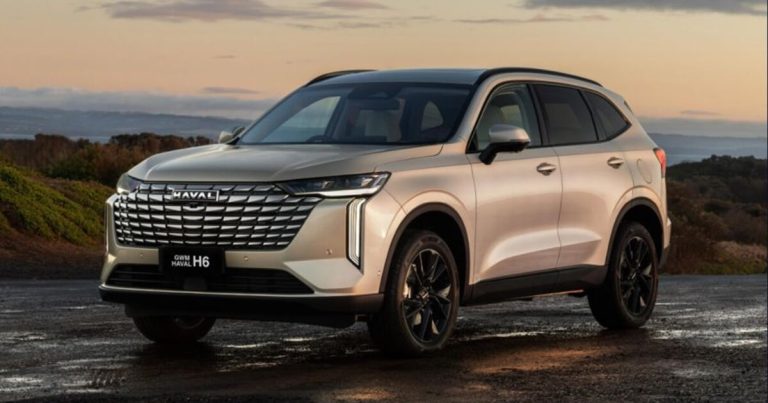
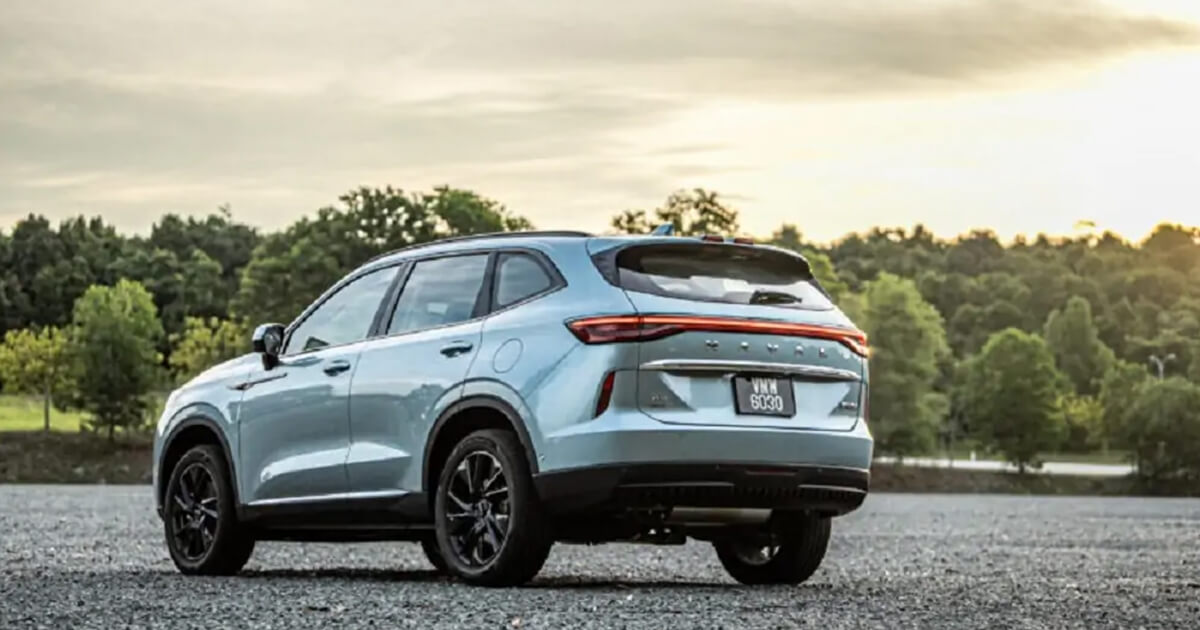
The Haval H6 PHEV exemplifies this performance better than any other vehicle. It delivers 360 horsepower and 760 Nm of torque with a 0 to 100 km/h time of just 4.8 seconds. Similarly, the Toyota Camry Hybrid produces 225 horsepower while maintaining exceptional efficiency. Thus, hybrids no longer come with trade-offs between fuel economy and driving enjoyment.
5. Reduced Noise, Vibration, and Harshness (NVH): The most underrated of all advantages of hybrid technology is its refined driving experience. While retro enthusiasts argue that the experience of traditional vehicles is ‘pure’ and should not be altered, others disagree. Instead, they appreciate that at low speeds and during idling, the gasoline engine remains off in hybrids. Thereby, eliminating engine noise, vibration, and harshness.
This refined experience holds tremendous value to intracity commuters. When stopped at traffic lights, hybrids remain completely silent with only the electric system active. Additionally, during low-speed acceleration, the electric motor provides a smooth, linear power delivery. This comes without the vibrations of a gasoline engine.
Conclusion
All in all, the advantages of hybrid technology are too many to list here. However, what is important is the knowledge of the main benefits these vehicles offer. Not only that, but also how people can make use of them according to their specific situation. Hence, enabling them to optimize their experience of owning these vehicles.
Frequently Asked Questions
The primary benefits include exceptional fuel economy (30% to 50% improvement), reduced emissions, instant torque for responsive acceleration, and quieter operation. Additionally, the regenerative braking saves energy and extends brake life, maintenance costs decrease, and range anxiety ceases.
Modern batteries typically last between 150,000 and 200,000 kilometers with normal driving, with many exceeding 300,000 kilometers. Additionally, most manufacturers offer warranties of 8 years or 100,000 miles (approximately 160,000 kilometers) on these batteries.
Hybrids excel in city driving because regenerative braking captures energy during frequent stops. Moreover, the electric motor handles low-speed acceleration efficiently, and the gasoline engine shuts off during idling. Hence, performing well in conditions where conventional vehicles are least efficient.
Full hybrids (HEV) do not require external charging. Instead, they charge automatically through regenerative braking and the gasoline engine. Owners simply add gasoline as needed. That’s why no charging equipment is required.
It combines a gasoline engine with one or more electric motors and a battery pack. An intelligent control system determines when to use each power source to optimize efficiency, performance, and emissions. Furthermore, the system captures energy through regenerative braking that would otherwise be wasted.