The Haval’s Havoc
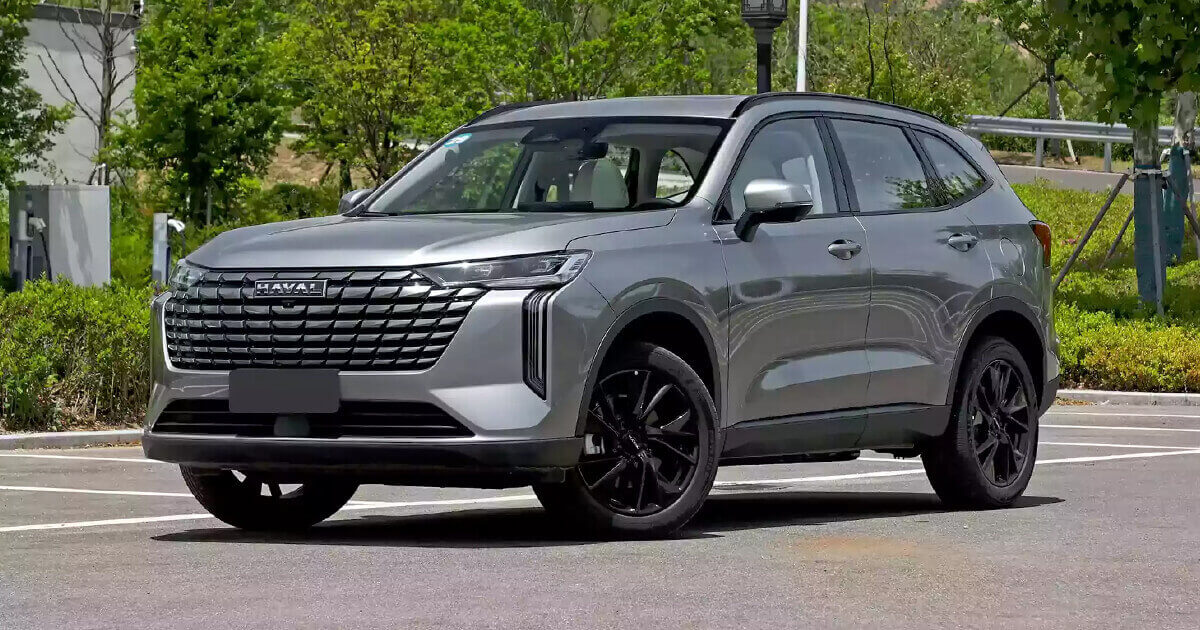
Though the market witnesses the rise of many companies, none have had the impact that China’s Haval has had recently. Quickly becoming a dominant force, it has spread its influence across Asia, the Middle East and increasingly in Pakistan. Then, the obvious question is to ask what does it have that others do not. The answers are manifold including advanced technology, premium comfort, and competitive pricing. However, the most important question of them all remains, ‘Which HAVAL is the most fuel efficient?’
Furthermore, with fuel prices rising rapidly and SUV owners seeking improved mileage without exceeding costs, Haval’s rise becomes understandable. Moreover, its many variants possess numerous features that attract customers. However, the main feature that they look at is ‘Which HAVAL is the most fuel efficient?’
Which Haval Is The Most Fuel Efficient? Engine & Fuel Efficiency
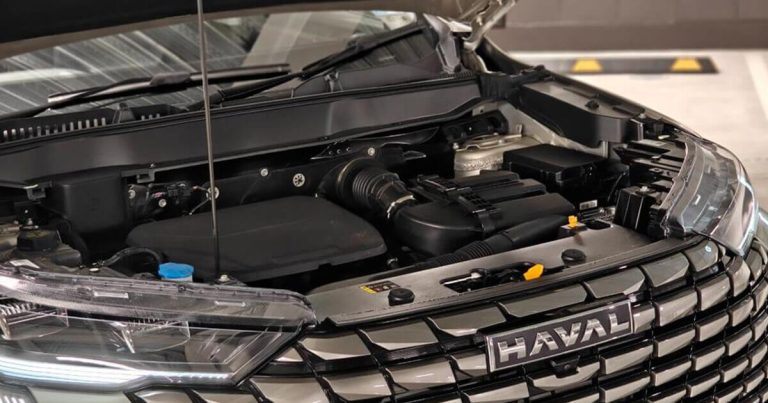
Before we can answer the ‘Which HAVAL is the most fuel efficient?’ question, we need to understand the basics. Additionally, once you learn the ins and outs of Haval’s designs, it becomes easier to understand why they are so efficient. The company primarily uses the following components:
- 1.5 L turbocharged gasoline engines
- 2.0 L turbocharged gasoline engines
- 7 speed Dual Clutch Transmissions (DCT)
- Hybrid Electric Systems (HEV) in newer models.
Moreover, the turbocharged engines allow smaller displacement motors to produce higher power output. All the while consuming less fuel during steady cruising. Meanwhile, the hybrid powertrain further reduces the consumption by combining electric torque with gasoline efficiency. This design contributes significantly to the haval fuel average seen across their lineup.
Furthermore, the diversity and effectiveness of these designs have made Haval’s competitors weak. The Chinese car manufacturers have identified what SUV owners desire and allocated their resources to produce exactly that. That’s why they have multiple answers to ‘Which HAVAL is the most fuel efficient?’ instead of just one.
Which Haval Is the Most Fuel Efficient? A Model by Model Breakdown
In order to satisfactorily answer the question ‘Which HAVAL is the most fuel efficient?’, a thorough approach is required. Here, we will compare the fuel consumption ratings of Haval’s most popular models.
Firstly, it is important to mention that fuel consumption numbers vary slightly by region. However, the averages below reflect global testing data (WLTP/NEDC) and real world driver reports.
- Haval Jolion Hybrid: This model is widely recognized as the most fuel efficient Haval model currently available. It combines the 1.5 L gasoline engine with an electric motor. Thereby, producing strong torque while keeping fuel consumption impressively low.
- Fuel Consumption: 4.8 to 5.5 L/100km
- Equivalent to: 18 to 21 km/L
Why It Performs Well
- Efficient turbo and hybrid combination
- Electric torque reduces engine load
- Ideal for stop and go traffic
- Highly efficient cooling and battery management.
- Contributes to a strong haval hev fuel average
- Haval H6 Hybrid: On the other hand, if compared with the Haval H6 fuel consumption, this hybrid version clearly stands out. Additionally, it utilizes similar advanced hybrid platforms as the Jolion Hybrid. However, it possesses a larger body with a slightly higher power output.
- Fuel Consumption: 4.8 to 5.5 L/100km
- Equivalent to: 18 to 21 km/L
Why It Performs Well
- Efficient turbo and hybrid combination
- Electric torque reduces engine load
- Ideal for stop and go traffic
- Highly efficient cooling and battery management.
- Improves the haval h6 fuel average significantly
- Haval Jolion 1.5T: This gas powered Jolion is arguably the most fuel efficient model for non-hybrid vehicles. Furthermore, it is equipped with a 1.5 L turbo engine that delivers a good balance of performance and economy.
- Fuel Consumption: 7 to 7.5 L/100km
- Equivalent to: 13 to 14 km/L
Why It Performs Well
- Intelligent start stop system
- Economical driving modes
- Lightweight vehicle structure
- Smooth 7 speed DCT transmission
- Haval H6 1.5T: Compared to the Haval’s H6 fuel consumption, many markets prefer the 1.5T model. The reason behind this decision is the latter’s blend of power and efficiency. Moreover, it offers significantly better fuel efficiency than the 2.0T variant. All the while providing equally strong performance on the road.
- Fuel Consumption: 8 to 9 L/100km
- Equivalent to: 11 to 12.5 km/L
Why It Is Popular
- Strong mid range turbo power
- Good city mileage for its size
- Excellent highway cruising efficiency.
- Haval H6 2.0T: This model offers the highest performance in Haval’s lineup. However, it comes with the cost of more fuel. That’s why it hardly comes up during the ‘Which HAVAL is the most fuel efficient?’ discussions. Nevertheless, it is a powerful vehicle that can leave any vehicle behind in the dust.
- Fuel Consumption: 9 to 10.5 L/100km
- Equivalent to: 9.5 to 11 km/L
Who Should Choose It
- Drivers who prioritize performance
- Highway commuters
- Those needing higher towing or load capacity
Conclusion
At the end of the day, there remains no direct answer to the question, ‘Which HAVAL is the most fuel efficient?’. There are too many factors at play to give a simple answer. However, what is reassuring is that Haval’s lineup offers numerous features that create a delicate balance.
In the end, it is the consumer that has to decide what weight they should give to the ‘Which HAVAL is the most fuel efficient?’ question. However, what is certain is that whatever they choose, it will perform remarkably – both functionally and economically.
FAQs
Although there is debate regarding the specific variant, often fuel efficiency is highest in the hybrid models. This includes the Haval H6 HEV that offers significantly better mileage compared to its traditional petrol oriented counterpart. Meanwhile, smaller cars like the Jolion Hybrid also rank high due to their balanced engine size and hybrid technology.
The Haval’s fuel consumption greatly varies depending on the model, engine type, and driving conditions. Having said that, ,on average, Haval hybrids deliver between 18 to 22 km/L. Meanwhile, the petrol version ranges from 10 to 14 km/L. However, the exact mileage will depend on multiple factors. These include the driving habits and conditions.
The Haval H6 fuel consumption rating is typically around 12 to 14 km/L for the petrol version in mixed driving. However, the H6 Hybrid performs significantly better. It achieves 18 to 20 km/L average and more. This depends again on driving habits and road conditions. Moreover, the latter enjoys a relatively better performance during stop and go traffic due to its electric motor.
There is no one simple way of improving the Haval’s fuel efficiency. Having said that, it is recommended to start with simple habits. These include maintaining proper tire pressure, avoiding aggressive acceleration, and keeping up with regular servicing. Additionally, removing unnecessary weight, using Eco driving mode, and reducing air conditioner load can go a long way too.Gradually, you will notice improvement in your car’s mileage, improving your haval hev fuel average and overall haval fuel average.