The Importance Of Identifying Bad Spark Plug Symptoms
Although vehicles have enjoyed an incredible transformation in the past two years, they still remain machines. Hence, like any other machine, they are open to wear and tear as well as damage. A car feeling sluggish, hard to start, or unusually noisy are all examples of bad spark plug symptoms.
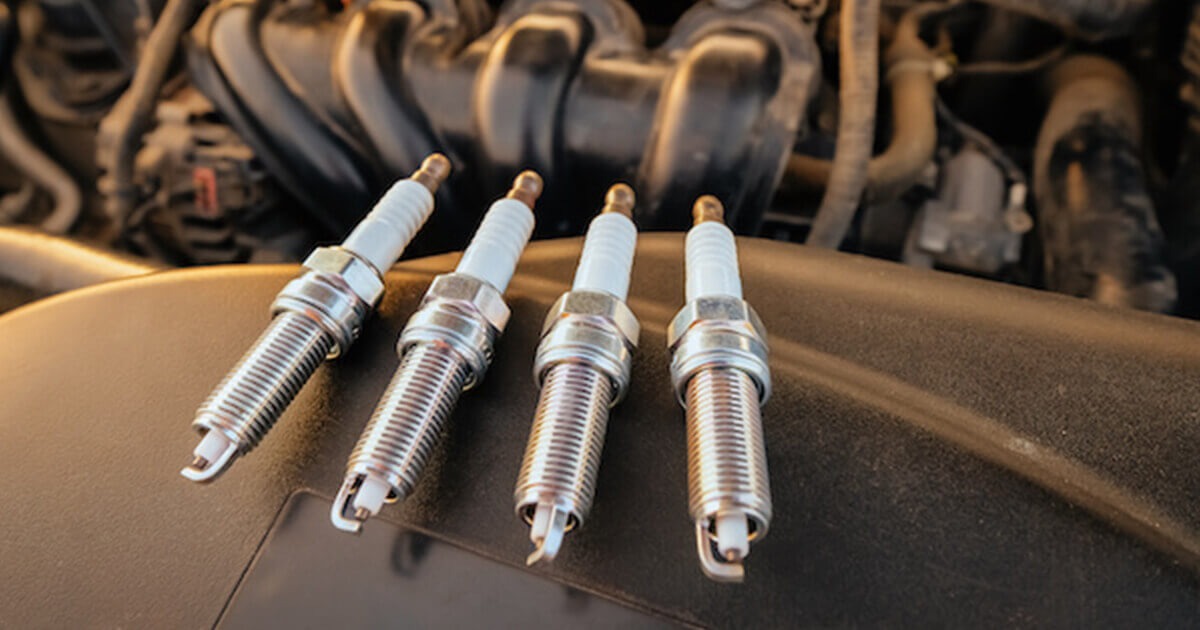
Though they are small, inexpensive, and relatively easy to service, they play a crucial role in a vehicle’s performance. Not only that, it affects the car’s efficiency, combustion quality, and long term health. Many people make the grave mistake of ignoring or underestimating it. Consequently, they end up with a vehicle with frequent misfires, reduced mileage, damaged ignition coils, and even engine failure. All because they were unable to identify bad spark plug symptoms.
Why Knowing About Bad Spark Plug Symptoms Is Crucial
The entire performance of the vehicle relies on one essential moment. That is the ignition of the air fuel mixture inside each cylinder. Furthermore, spark plugs create the electric spark that sets this mixture on fire. Hence, producing power to propel the vehicle.
As a consequence of spark plugs weakening, fouling, or degrading, the ignition process becomes inconsistent. Thereby, the entire engine performance becomes poor. The reason behind this is that combustion happens thousands of times per minute. Thus, even a slight spark delay or failure causes significant ripple effects.
That’s why, identifying bad spark plug symptoms early saves you from costly repairs down the lines.
Common Bad Spark Plug Symptoms You Should Never Ignore
Now that we know the importance of recognizing bad spark plug symptoms, let’s look at a few common ones. If your car shows one or more of these signs, get it checked as soon as possible.
- Hard Starting or No Start: Arguably one of the earliest bad spark plug symptoms is when you face difficulty starting your vehicle. These are normally the consequence of weak or work plugs. Hence, the car faces difficulty in igniting the air fuel mixture. This holds particularly true during a cold start. Moreover, the engine may crank for longer, start rough, or fail to start altogether.
Why it happens:- Carbon deposits on the electrodes
- Worn down tip or worn gap
- Weak spark generation
Requiring multiple attempts before starting your vehicle often indicates a plug’s poor condition.
- Rough Idling or Vibrations: A smooth idle is a sign of healthy combustion. Contrarily, an engine shaking or vibrating unusually at idle is one of the bad spark plug symptoms.
What you may notice:- RPMs fluctuating
- Slight jerks from the engine
- Steering wheel vibrations
- Unusual engine noise
- Engine Misfires: Apart from accidents, few issues harm a vehicle more than the damage caused by repeated misfires. Here, a cylinder fails to ignite its fuel mixture at the correct time – if at all. Ignoring this bad spark plug symptom eventually leads to a damaged catalytic converters, ignition coils, and oxygen sensors
Common misfire symptoms:- Jerking acceleration
- Loud popping or sputtering
- Temporary loss of power
- Check Engine light illumination
- Poor Fuel Efficiency: One of the most easy identifiers of bad spark plug symptoms is constant tank refills. Due to a weak or incomplete combustion, the engine uses more fuel to compensate.
Symptoms include:- Lower mpg/mileage
- Strong fuel smell
- Reduced engine responsiveness
- Slow or Weak Acceleration: The most confusing sign is when the car hesitates, lacks power, or accelerates inconsistently. Although a number of explanations are possible, it is likely that it may be struggling. The reason behind it may be that the spark plugs are no longer firing correctly.
You might notice:- The car reacts slowly when pressing the accelerator
- Occasional hesitation
- Reduced torque
- Engine Knocking or Loud Noises: Another common sign is the engine knocking, pinging, or rattling. It often indicates poor ignition timing or incomplete combustion. If they are left untreated, the excessive knocking can have lasting impacts. This includes permanently damaged pistons and valves.
Worn spark plugs may cause:- Metallic knocking sounds
- Pinging during acceleration
- Increased engine noise
- Illuminated Check Engine Light: The advent of modern designs has made it easy to identify misfire through its sensors. Whereby, when a system detects irregular ignition patterns, it triggers the Check Engine light. Address the light’s illumination at the earliest and resolve the issue immediately.
Most common trouble codes related to spark plugs include:- P0300: Indicating a random misfire
- P0301–P0308: Indicates misfires in specific cylinders
Conclusion
All in all, the importance of identifying bad spark plug symptoms can never be overstated. Knowing the importance they play in a vehicle’s performance, it is necessary to look after it readily. In case of noticing any of the signs mentioned above, immediately get it checked from a trained technician. Meanwhile, also follow a rigorous servicing schedule as well. The best approach to car maintenance remains prevention rather than cure.
FAQs
A: Although there are standard procedures that technicians follow, certain symptoms are easy to identify by drivers too. They include rough idling, poor acceleration, engine misfires, difficulty starting the engine, reduced fuel efficiency, and unusual knocking sounds. If a driver experiences any of these, it is strongly recommended to get it checked by a technician immediately.
A: The answer to this depends on a number of factors including plug type and driving habits. Additionally, most vehicles opt for iridium plugs. They require replacement every 100,000 to 120,000 km. On the other hand, copper plugs need replacement much sooner in comparison. Usually between 20,000 to 30,000 km. However, if a car shows signs of misfiring, sluggish acceleration, or hard starts, it is advised to replace it sooner.
A: Firstly, start by removing the ignition coil or spark plug wire. Next, unscrew the plug using a spark plug socket. Inspect for any carbon buildup, oil deposits, cracks, or worn electrodes. Additionally, it is recommended to measure the spark plug gap as well. Use a gapping to ensure proper spacing whilst doing so.
A: It is rather a simple process to replace spark plugs with the right tools. First, let the engine cool. Then, remove the ignition coils and unscrew the old plugs. Next, check the gap on the new plugs and install them by hand. Finish up by tightening it with a wrench. Lastly, it is necessary to reinstall coils or wires securely before starting the engine.